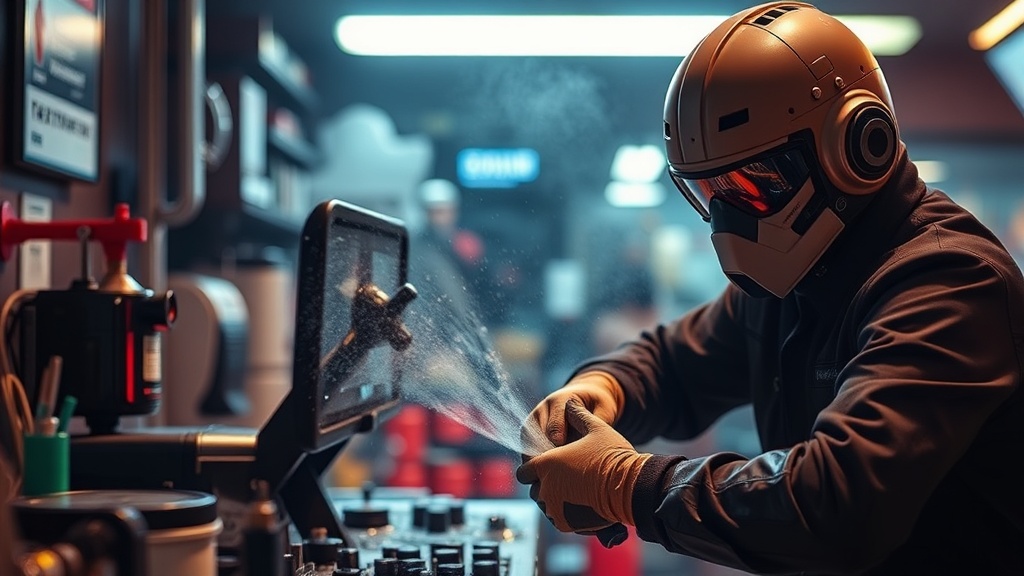
Cleaning Your Blaster for Peak Performance

Is your blaster jamming more often than it's actually firing?
Maintaining a collection requires more than just storing your gear in a plastic bin. This guide covers the specific steps for cleaning mechanical parts, removing dart debris, and maintaining the integrity of your springs and seals to ensure your gear performs exactly how the manufacturer intended. Proper maintenance prevents the most common causes of failure: friction, grit, and foam buildup.
A dirty blaster isn't just annoying—it's a performance killer. If you've noticed a drop in velocity or a sudden increase in jams, you're likely dealing with accumulated dust or broken dart fragments inside the barrel or breech. It's a simple fix if you catch it early.
How Do I Clean a Nerf Blaster Without Breaking It?
To clean a blaster safely, start by removing all ammunition and using compressed air or a non-abrasive tool to clear visible obstructions while avoiding any harsh chemicals or liquids.
First, you need to clear the barrel. If you're running a high-performance blaster with a tight barrel, even a tiny piece of foam can cause a massive jam. Grab a small piece of a broken dart or a dedicated cleaning rod. Gently push the debris through the barrel—never force it, or you'll score the inner barrel. If you're too aggressive, you'll end up with a permanent performance drop.
Next, address the internal mechanisms. For standard blasters like the Nerf Elite series, you can often use a can of compressed air to blow out the breech area. This is much safer than sticking a wet cloth inside, which can introduce moisture to the spring mechanism. Moisture is the enemy of metal springs and can lead to rust or a sticky trigger pull.
If you're working with high-end, aftermarket modifications, you have to be even more careful. A single drop of the wrong lubricant can ruin a high-tension spring or a delicate plunger head. Stick to dry cleaning methods for the most part.
Cleaning Different Types of Blasters
Not all blasters are built the same. A basic spring-action blaster requires much less maintenance than a complex motorized flywheel unit. Here is how to approach different styles:
- Spring-Powered (Single Shot): Focus on the plunger tube. If you feel resistance, check for foam dust or broken dart tips.
- Flywheel Blasters: These are the most sensitive. You need to ensure no hair or thread is wrapped around the motors.
- Motorized/Battery Operated: Check the battery compartment for any sign of corrosion or leakage.
The catch with flywheel blasters is the buildup of "foam dust." As darts pass through the rollers, tiny bits of foam can flake off and coat the wheels. This reduces the grip of the rollers, which means your darts won't launch with the same velocity. A quick blast of air usually solves this.
What Is the Best Way to Clean Flywheel Motors?
The best way to clean flywheel motors is to use a can of compressed air to blow out debris and a small amount of specialized lubricant on the gears if necessary.
Flywheels are the heart of many high-performance blasters. If they start to sound "crunchy" or uneven, something is wrong. Most of the time, it's just debris. I've seen many enthusiasts ruin their favorite blasters by trying to clean the motors with a wet cloth. That's a mistake. Water and electronics don't mix, and it can short out the motor entirely.
If you're feeling brave and have already disassembled your blaster, you can use a tiny amount of specialized lubricant on the gear teeth. But wait—before you go dumping oil into your gear housing, you should understand the risks. Over-lubricating is just as bad as not lubricating at all. Too much oil will attract dust, creating a thick, gritty paste that will eventually grind your gears down to nothing.
If you're running high-performance darts, you might also notice that your barrels are getting "gunked up." It's a good idea to check your dart types for your blaster to ensure they aren't leaving excessive residue. Some cheaper, off-brand darts are notorious for breaking apart and leaving foam bits everywhere.
| Cleaning Tool | Best Use Case | Risk Level |
|---|---|---|
| Compressed Air | Removing dust/foam from breech/barrels | Very Low |
| Microfiber Cloth | Wiping down exterior shells | Low |
| Toothpick/Non-metal tool | Removing jammed dart fragments | Medium |
| Specialized Silicone Oil | Lubricating internal gears (Advanced) | High |
How Do I Prevent Rust in My Blasters?
To prevent rust, keep your blasters in a low-humidity environment and avoid storing them with any damp foam or used batteries.
Rust is a silent killer for collectors. If you leave a blaster in a garage or a basement, the humidity will eventually find its way into the metal spring and the internal chassis. Once a spring starts to rust, it loses its tension, and your blaster's performance is permanently changed. It's not just about the look; it's about the physics of the toy. A weakened spring means a weaker shot.
I highly recommend reading my guide on protecting your foam from humidity and heat. While that post focuses heavily on the foam, the same principles apply to the mechanical parts. If the air is too humid for the foam, it's definitely too humid for your metal springs.
A pro tip: never store your blasters with the batteries inside. Even if the blaster is turned off, batteries can slowly leak or discharge over time. This can lead to terminal corrosion in the battery housing, which is a nightmare to clean. I've seen way too many people throw away perfectly good blasters just because a cheap battery leaked acid into the contacts.
If you're a serious collector, consider using silica gel packets in your storage bins. They're cheap, effective, and can keep the air dry enough to prevent both foam degradation and metal oxidation. It's a small price to pay for the longevity of your collection.
When it comes to the exterior, don't go overboard with cleaners. A damp cloth is fine for a quick wipe-down, but avoid using harsh household sprays. These can strip the paint or even degrade the plastic over time. If you have a high-end collector's piece, treat it with respect. A little bit of care goes a long way.
Maintaining your gear shouldn't be a chore, but it is a part of the hobby. Whether you're prepping for a local battle or just keeping your collection pristine, a clean blaster is a reliable blaster. Keep the air moving, keep the moisture out, and keep your eyes on the mechanical details.
Steps
- 1
Clear the Chamber
- 2
Remove External Dust
- 3
Clear Internal Obstructions
- 4
Wipe Down the Exterior