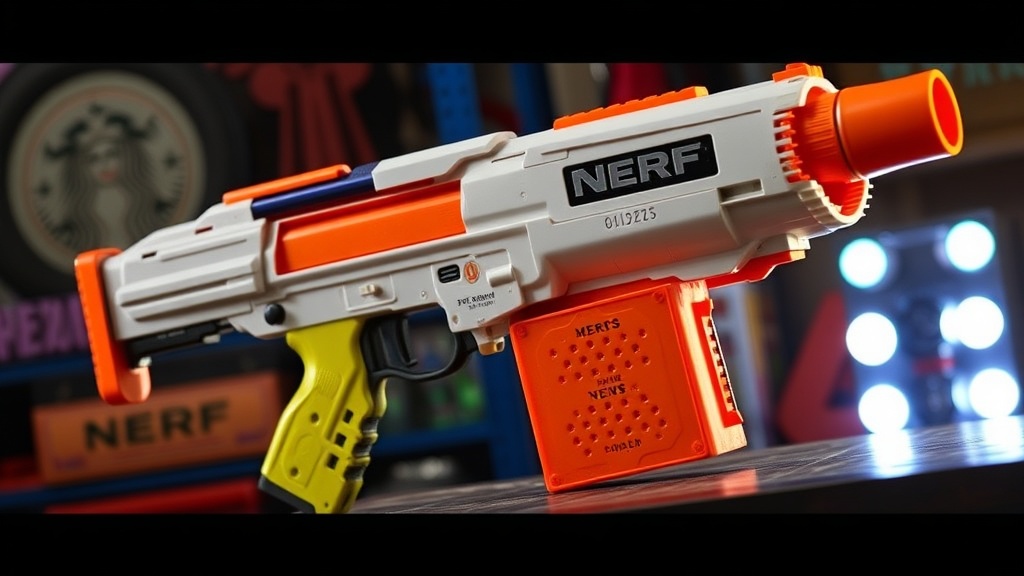
How to Clean and Restore Vintage Nerf Blasters for Display

This guide covers the complete process of cleaning and restoring vintage Nerf blasters for display — from assessing condition and sourcing replacement parts to removing decades of grime without damaging delicate plastics. Whether you're dealing with a 1992 Nerf Bow from childhood or hunting flea markets for a 1998 Airjet Power series blaster, proper restoration techniques make the difference between a dusty relic and a shelf-worthy centerpiece.
What's the Best Way to Assess a Vintage Nerf Blaster Before Cleaning?
Start with a thorough visual inspection in good lighting before touching a single screw. Look for stress marks on the plastic (those white lines that appear when ABS takes a hit), check spring functionality by dry-firing (or attempting to), and document any missing parts with photos. The catch? Most vintage Nerf blasters use proprietary screws — typically Phillips #0 or #1, but some early 90s models used triangular security heads you'll need special bits for.
Here is a quick assessment checklist to follow before disassembly:
- Battery corrosion: Check the battery compartment for white or green residue — common in Motorized Ballzooka MP-150 and early Electronic models
- Plunger tube integrity: Look for cracks where the plunger meets the catch mechanism
- Seal condition: Dry-rotted O-rings mean performance issues but don't affect display value
- Sticker residue: Price tags, garage sale stickers, and old tape can usually be removed
- Sun damage: Faded plastics are permanent; decide if you're okay with patina or need a donor for parts
Take photos at every stage. You'll thank yourself later when reassembly gets tricky — and it will. Vintage Nerf blasters often have internal layouts that seem to defy logic until you've handled a few dozen.
How Do You Clean Vintage Nerf Blasters Without Damaging the Plastic?
Use warm water with mild dish soap and a soft-bristled toothbrush for most exterior cleaning. Avoid harsh chemicals — vintage Nerf plastics (especially the early PVC and ABS blends) can react badly to acetone, alcohol concentrations above 70%, or abrasive cleaners. The plastics from the 1990s and early 2000s are particularly sensitive to UV damage and chemical degradation.
For disassembly, work on a clean towel to prevent parts from rolling away. Most vintage Nerf blasters use a simple pin-and-catch system that comes apart with minimal tools. Here's the thing: some blasters — like the legendary 1995 Nerf Crossbow — have cult followings specifically because of their modular internal layouts. Other models, like the early Ballzooka series, are sealed units that practically require destruction to open.
Deep cleaning protocol:
- Disassemble completely: Remove all screws, separate shell halves, extract springs and plungers
- Soak plastic parts: 15-20 minutes in warm soapy water — no longer, or labels can loosen
- Scrub gently: Old toothbrush for grooves, cotton swabs for tight spots
- Rinse and dry thoroughly: Water spots on vintage plastics look terrible; pat dry immediately
- Lubricate moving parts: Silicone grease only — petroleum-based products eat rubber O-rings
Don't rush drying. Trapped moisture in plunger tubes or battery compartments causes mold and corrosion. A hair dryer on low heat works, or just patience and 24 hours of air drying.
What Supplies Do You Need for Professional-Grade Nerf Restoration?
Quality restoration requires specific tools and materials — not expensive ones, but the right ones. Here's a breakdown of supplies ranked by necessity:
| Item | Purpose | Where to Source | Cost Range |
|---|---|---|---|
| Microfiber cloths | Final polishing, dust removal | Auto parts stores (bulk packs) | $8-15 |
| Silicone grease | O-ring lubrication, smooth operation | Hardware stores, Home Depot plumbing section | $5-12 |
| Goo Gone | Sticker residue removal | Most grocery stores | $4-8 |
| Plastic polish (Novus 2) | Removing fine scratches, restoring shine | Amazon, model hobby shops | $10-15 |
| Replacement O-rings | Seal restoration (if displaying functional) | McMaster-Carr, Amazon | $3-10 |
| Display stands | Angled presentation, stability | Acrylic risers from craft stores | $12-25 |
Worth noting: the Novus plastic polish system (1, 2, and 3 grades) is practically standard in the collector community. Novus #2 handles most scratches on Nerf shells, while #1 works as a final gloss enhancer. Skip #3 unless you're dealing with serious gouges — it's aggressive and can cloud fine details if overused.
Can You Restore Faded or Yellowed Vintage Nerf Plastics?
Yes — through a process called retrobrighting, though results vary significantly based on the plastic type and sun exposure history. The original 1992 Nerf Bow and early 90s products often show yellowing due to bromine flame retardants reacting with UV light. It's a chemical change, not surface dirt, so regular cleaning won't touch it.
Retrobrighting involves applying hydrogen peroxide cream (typically 12% salon-grade) and exposing the plastic to UV light. Some collectors use the "submersion method" — floating parts in hydrogen peroxide solution under black lights. Others prefer the "cream method" — coating surfaces and wrapping in clear plastic wrap, then setting outside on a sunny Portland afternoon (when those happen).
Here's the thing: retrobrighting isn't permanent. The bromine remains in the plastic and will yellow again over months or years depending on display conditions. That said, for blasters that will live in UV-protected display cases, results can last several years. YouTube restoration channels document the process extensively — worth watching a few before attempting your first piece.
Never retrobright blasters with painted details or stickers you want to preserve. The chemicals lift paint and dissolve adhesives. Test on the inside of a shell half first if you're uncertain about a particular plastic blend.
How Should You Display Restored Vintage Nerf Blasters?
Display choices depend on your collection size, available space, and whether you want functional access or pure aesthetics. Vertical stands work well for pistols and smaller primaries; wall mounting saves space but requires secure brackets; enclosed cases protect from dust and (more importantly) curious hands.
Environmental factors matter enormously. Direct sunlight destroys vintage plastics — not just yellowing, but brittleness and warping. Temperature fluctuations cause expansion and contraction that stress old glue joints and plastic welds. Basements and attics are terrible choices (humidity and heat, respectively). A climate-controlled living space works best.
Acrylic display cases from retailers like Michaels or specialty collector shops provide dust protection and a premium look. For budget options, IKEA's DETOLF glass cabinet accommodates larger blasters like the 1995 Crossbow or Motorized Ballzooka when shelves are repositioned. Some collectors build custom LED lighting into cases — warm white (2700K-3000K) shows off vintage colors accurately without the harshness of cool white.
That said, there's no shame in open shelving if your environment is stable. Many Portland-area collectors use simple floating shelves with small acrylic easels for angled presentation. The key is keeping blasters out of high-traffic areas where accidental bumps happen — those old plastics crack easier than you'd think.
What About Replacement Parts and Repairs?
The vintage Nerf aftermarket exists, though it's nothing like modern blaster modding communities. eBay remains the primary source for donor blasters and individual parts. Specific models — the 1995 Crossbow, the Airjet Power Triple Strike, the Ballzooka series — command premium prices even for non-functional units bought purely for parts.
3D printing has changed the game for broken triggers, catch mechanisms, and cosmetic pieces. Community designers on Thingiverse and Etsy sell files for reproduction parts that fit vintage shells. Quality varies — some files are precise measurements from original parts; others are eyeball approximations that require sanding and adjustment.
Spring replacements are straightforward if you measure carefully. The Out of Darts modding supplier stocks springs that fit many vintage platforms, though you'll need to match dimensions rather than model numbers. For seals, McMaster-Carr's O-ring catalog is exhaustive — just measure your plunger tube inner diameter and cross-reference.
When to stop repairing? That's personal. Some collectors want pristine, functional units. Others accept that a 30-year-old plastic toy has earned its retirement and display it as-is, war wounds and all. Both approaches are valid — the Portland collector community (and online forums like Reddit's r/Nerf) includes proponents of each philosophy.
"The best restoration is the one that makes you happy to look at your collection every day. Perfection is a goal, not a requirement."
Start with one blaster. Document everything. Join collector communities for model-specific advice. And remember — these toys survived decades of garage sales, attic storage, and childhood abuse. A little informed care goes a long way toward ensuring they survive decades more on display.
Steps
- 1
Disassemble and Inspect Your Blaster
- 2
Clean All Components Thoroughly
- 3
Reassemble and Store Properly