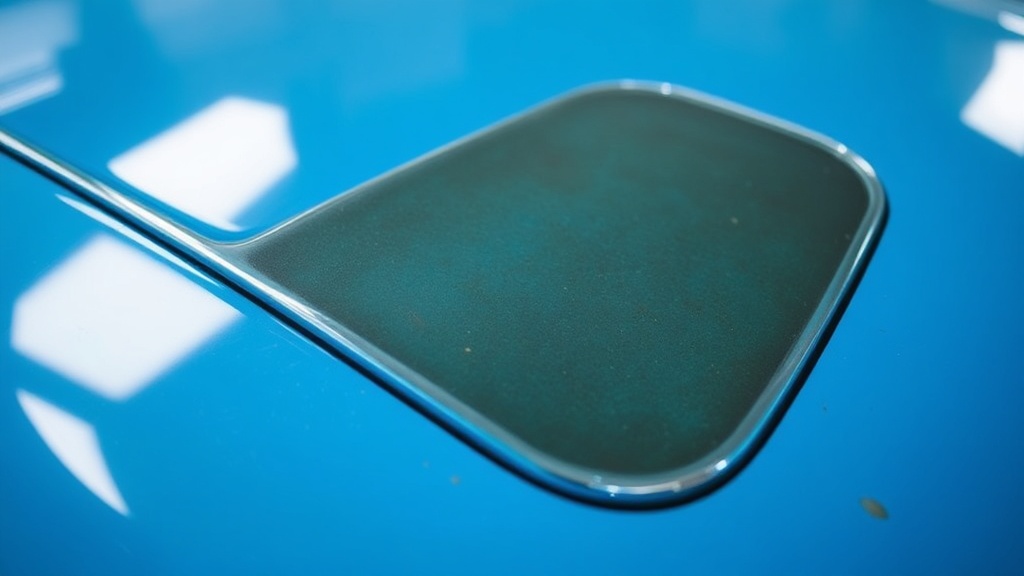
Restoring Faded Plastic to Its Original Shine

You'll learn how to identify different types of plastic degradation and use specific chemical and mechanical methods to restore the luster to your blaster collection. This guide covers the removal of oxidation, the treatment of UV damage, and the safest ways to polish various finishes without ruining the structural integrity of your gear.
Why is my Nerf blaster plastic looking dull or white?
Plastic turns dull or white due to a process called oxidation or UV degradation, where light and air break down the polymer chains on the surface. If you've left a vintage blaster on a sunny windowsill, you've likely seen that chalky, faded look. It's frustrating. You spend time hunting for a pristine piece, only to find it looks "tired."
There are two main types of surface issues you'll run into. First, there's simple surface grime—oils from your hands or dust that has bonded to the plastic. Then, there's actual material degradation. One is easy to fix with a deep clean; the other requires more specialized care. Most of the time, it's just a build-up of surface oils that a simple soap won't touch.
If you're dealing with a high-end piece, you're likely aware of why we care so much about aesthetics. Collectors prioritize high-end customization and performance, and a faded shell can really tank the perceived value of a custom build. It's a bummer when a beautiful paint job or a high-gloss finish turns matte.
How do I clean plastic without causing damage?
The safest way to clean plastic is to use a mild, pH-neutral detergent and warm water. You don't want to use anything harsh like acetone or heavy solvents on your blasters. Even a little too much pressure can leave permanent scuffs on the texture of the plastic.
Start with the basics. A microfibers cloth and a tiny bit of dish soap will do wonders for most "standard" grime. If you're working on a vintage piece, be even more careful. You don't want to strip the decals or the original finish.
- The Dry Dust: Use a soft-bristled brush (an old toothbrush works fine) to remove loose debris from crevices and trigger housings.
- The Damp Wipe: Dip a cloth in a solution of water and a drop of mild soap. Wring it out well—you don't want water getting into the internal mechanisms or the electronics.
- The Detail Work: Use cotton swabs for the tight spots around the barrel or the grip.
- The Drying Phase: Always dry the blaster immediately with a clean, dry cloth. Leaving moisture to air-dry can lead to water spots or even internal corrosion.
That said, sometimes soap isn't enough. If the plastic feels tacky or sticky, you're likely dealing with "plasticizer migration" or old adhesive residue. This is common with older toys that have been sitting in a garage for a decade. In these cases, a specialized cleaner might be needed, but proceed with caution.
Common Cleaning Agents and Their Uses
| Agent | Best For... | Risk Level |
|---|---|---|
| Mild Dish Soap | General grime and surface oils | Very Low |
| Isopropyl Alcohol (70%) | Removing adhesive residue/stickiness | Moderate (Use sparingly) |
| Polymer Polish | Restoring shine to high-gloss parts | Low (Test first!) |
| Acetone | DO NOT USE | Extreme (Will melt plastic) |
Wait, a quick warning: Never use acetone on your blasters. It's a solvent that literally dissolves many types of plastic. It'll turn your favorite blaster into a puddle of goo in seconds. I've seen people try it to get rid of a stubborn sticker, and it's a disaster every single time.
Can I restore the color of faded plastic?
Restoring color is much harder than just cleaning it, as you're often trying to reverse chemical changes in the material itself. While you can't truly "undo" UV damage, you can mask it or use specialized products to bring back a similar appearance.
If the plastic is just "chalky," a plastic restorer (often used for automotive trim) can help. These products, like those found in the polyethylene-based industry, work by filling in the microscopic pores and adding a thin layer of protection. It's a temporary fix, but it makes a huge difference for display pieces.
For more aggressive color restoration, some collectors use a light "buffing" technique. This involves using a fine-grit polishing compound. You aren't removing much material—just a microscopic layer of the oxidized surface—to reveal the fresh plastic underneath. It's a delicate dance. If you go too hard, you'll create a "shiny spot" that looks even worse than the dullness.
A good rule of thumb? Test a small, inconspicuous area first. Check the inside of the battery compartment or the underside of the grip. If the test area looks good, proceed. If it turns the plastic a different shade or makes it feel soft, stop immediately.
I've found that many people overcomplicate this. They think they need a professional workshop. You don't. Most of the time, it's just a matter of patience and the right gentle touch. A bit of elbow grease and some high-quality microfiber cloths will get you 90% of the way there.
If you're looking at a piece that is severely discolored—like a white shell that has turned yellow—polishing won't help. That's deep-seated UV damage. In those cases, your best bet is a custom paint job or a full shell replacement. It's a bummer, but it's better to be honest about what's fixable than to ruin a good blaster with too much aggressive scrubbing.
One thing to watch out for is the texture. Many modern blasters have a specific matte or "frosted" texture. If you use a heavy-duty polish, you'll turn that matte finish into a shiny, greasy-looking mess. I've seen plenty of people accidentally "over-polish" their gear, and it's a real shame. It's a fine line between "clean" and "over-processed."
If you're working on a high-end collector's item, I'd suggest focusing on maintenance rather than aggressive restoration. Keeping your blasters out of direct sunlight and in a temperature-controlled environment is the best way to prevent the problem from returning. It's much easier to prevent fading than it is to fight it once it has started.
Don't forget that the internal components need care too. If you're cleaning the exterior, make sure you aren't letting any liquids seep into the seams. A little bit of moisture in the wrong place can lead to a ruined trigger mechanism or a short-circuited LED. Protect the internals, and the aesthetics will follow much more easily.
Steps
- 1
Identify the Surface Type
- 2
Gentle Surface Cleaning
- 3
Applying a Non-Abrasive Restorer
- 4
Buffing for a Natural Shine