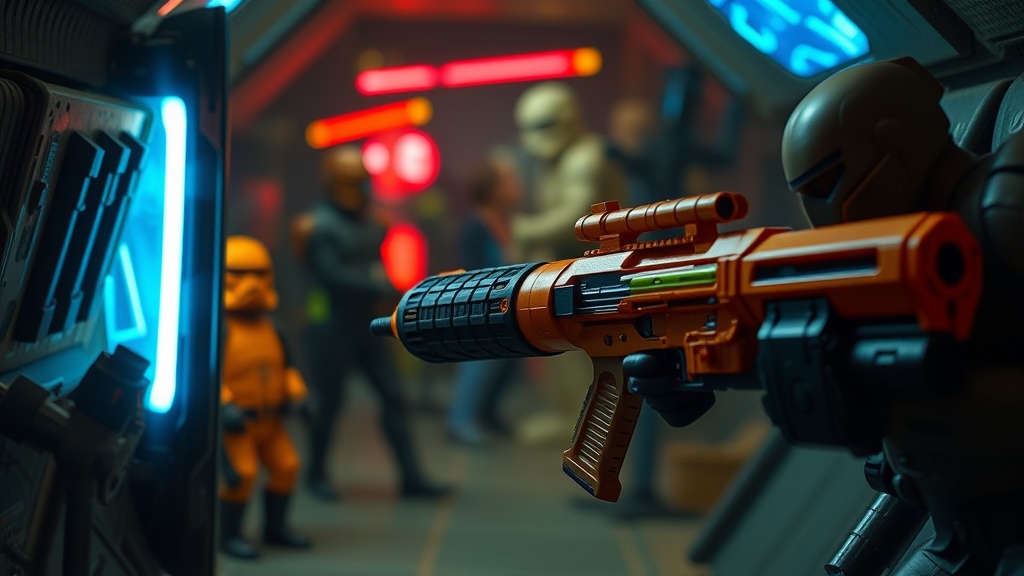
Hidden Gems of the Nerf Vault

A collector finds a dusty, unsealed box in the back of a local thrift store, only to realize the blaster inside is a prototype that never hit retail shelves. This isn't just a lucky find; it's the reality of the high-end collecting world. This post identifies specific, undervalued Nerf releases that offer high performance or historical value without the massive price tag of mainstream "grail" items. We're looking at the outliers—the blasters that often get overlooked in modern discussions but deserve a spot on your shelf.
What Makes a Nerf Blaster a "Hidden Gem"?
A hidden gem is a blaster that offers high-tier performance or unique aesthetic value but lacks the mainstream hype that drives up prices. Most collectors chase the latest flagship releases from the Hasbro lineup, but the real value often sits in older, discontinued lines or specific regional releases. These pieces might have slightly lower resale values on the secondary market, making them much more accessible for builders.
It's not just about the dart velocity. It's about the build quality and the way the mechanism feels. Some older blasters use thicker plastics or more durable internal components that modern, mass-produced toys sometimes lack. (I've seen many "modern" blasters feel brittle compared to the heavy-duty feel of the early 2000s era.)
There are three main categories for these gems:
- The Performance Outliers: Blasters that are easy to mod and hit high FPS once you add a better spring.
- The Aesthetic Icons: Blasters with unique colorways or sculpts that look great on a display shelf.
- The Historical Oddities: Short-lived lines that were discontinued quickly, making them rare but relatively affordable.
If you are interested in how the mechanics of these blasters have changed over time, check out our deep dive into Nerf's material innovation and evolution. It helps explain why some older models feel so different from the ones you buy today.
Which Nerf Lines Are Worth Collecting Right Now?
The most collectible lines currently are the N-Strike Elite series and specific vintage lines like the NERF N-Strike original run. While many people focus on the high-end Pro series, the standard Elite blasters often provide a better balance of durability and customization potential. You can find incredible deals on these if you know where to look.
The N-Strike Elite line changed the game by standardifying dart types, but it also introduced a level of modularity that collectors love. Many of these blasters are highly compatible with aftermarket parts. If you want to see how to actually make these blasters better, you should read about improving your blaster performance with spring and seal upgrades.
Here is a quick breakdown of the value proposition for different tiers of collectors:
| Tier | Focus Area | Primary Goal | Typical Cost |
|---|---|---|---|
| The Completionist | Rare Prototypes/Limited Runs | Historical Preservation | High ($$$) |
| The Modder | N-Strike Elite / Disruptor | Performance & Customization | Moderate ($$) |
| Standard Retail Releases | Display & Play | Low ($) |
Don't ignore the "junk" bins at garage sales. Often, a blaster that looks beat up is just a few cleaning sessions away from being a centerpiece. A little bit of sanding and a new paint job can transform a discarded toy into a museum-quality piece.
How Do You Spot a Rare Blaster at a Thrift Store?
Look for unique manufacturer markings, non-standard colors, or specialized dart compatibility that deviates from the standard. Most common blasters use standard dart flight patterns, but specialized or older versions might use different internal geometry. If the blaster has a "prototype" or "test" stamp—or even just a very unusual color scheme—it's worth a second look.
One trick I use is looking for "dead" lines. These are series that were released, had a small following, and then vanished. They don't have the massive marketing push of the newest releases, so they rarely show up in high-end auctions. This makes them perfect for collectors who want something unique without breaking the bank. It's a way to build a collection that doesn't just look like a copy of everyone else's.
A common mistake is assuming that "old" always means "better." While many older blasters have better build quality, some newer releases are engineered specifically for high-performance competition. You have to balance the nostalgia of a vintage piece with the actual mechanical capability of the item. Sometimes, a 10-year-old blaster will outperform a brand-new one simply because it was built with more robust internal parts.
The Value of the "Disruptor"
The Disruptor is a legendary item in the community. It’s a relatively simple, single-shot blaster, but its reliability and ease of use make it a staple. Even years after its release, collectors still seek it out because it's a perfect platform for customization. It represents a specific era of design that prioritized simplicity and reliability over complex, fragile mechanisms.
If you're looking for a reliable baseline for your collection, start with something like the Disruptor or a high-quality N-Strike model. It provides a solid foundation for learning the ropes of the hobby. Once you understand how the basic mechanics work, you can move into the more complex, expensive items.
It’s easy to get caught up in the hype of the latest "big" release. But the true joy of collecting isn't just owning the most expensive item in the room. It's about finding that one piece that everyone else overlooked. That's where the real stories are found. Whether it's a weird regional variant or a slightly damaged but highly moddable classic, these are the pieces that make a collection truly yours.